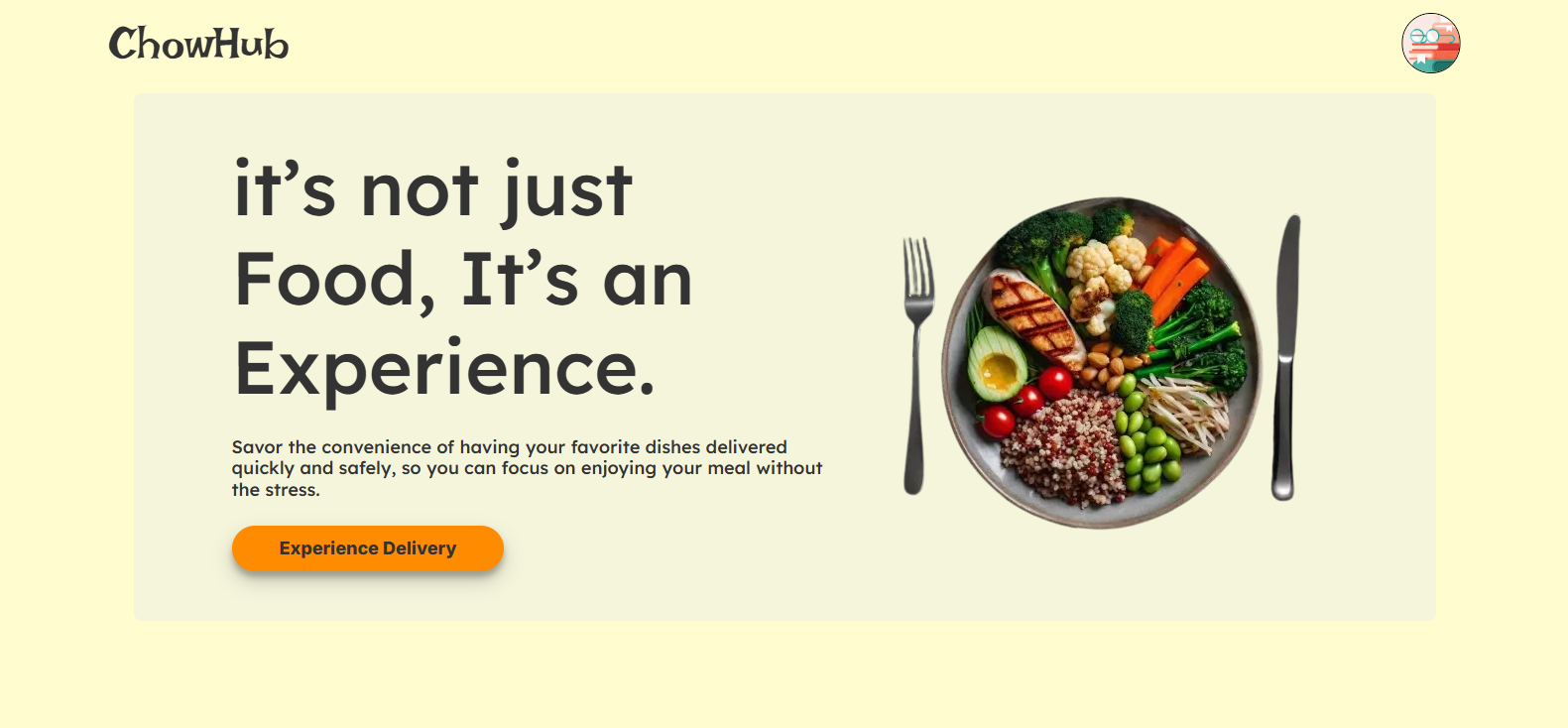
The Problem
At my school, the cafeteria was a lifeline, but many students couldn’t access it when they needed it most—buried in schoolwork, drained of energy, or juggling dietary restrictions.
Seeing this, I envisioned and began developing ChowHub, a sleek solution that empowered students to order meals from on-campus restaurants online and have them delivered by fellow students.
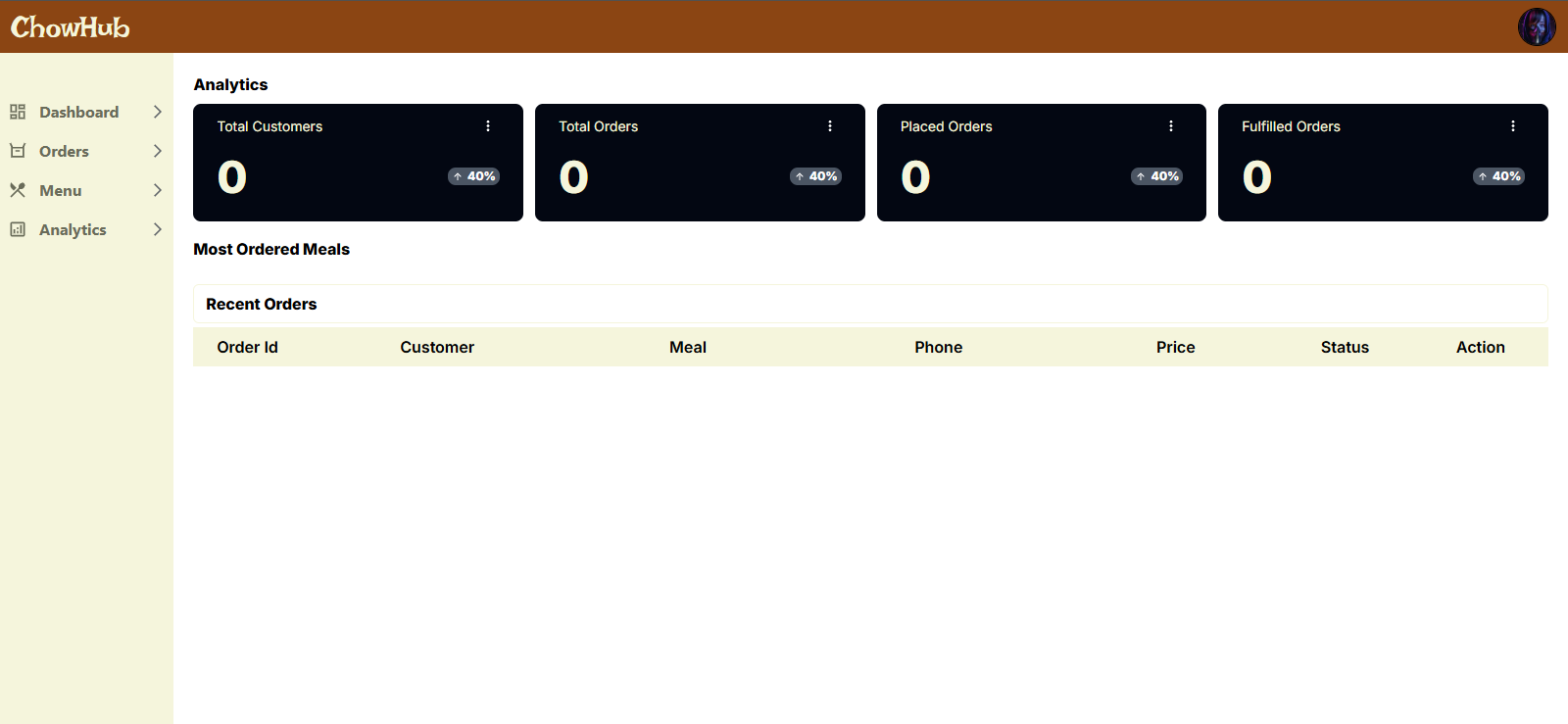
Building ChowHub
Building Chow Hub required more than just writing code—it was about understanding people. I met with on-campus restaurant owners to uncover their needs, ensuring the platform was designed to integrate seamlessly with their operations. At the same time, I collaborated with fellow students, gathering insights to shape a solution that truly addressed their challenges. While the software is nearly complete, we’re still hard at work developing a reliable student delivery network to bring the project’s vision fully to life.
The Stack and Infrastructure
For ChowHub, I prioritized a seamless user experience and rapid development cycles without compromising on performance. The core application is built on Next.js, providing a fast, SEO-friendly, and highly interactive frontend. To achieve a polished, accessible, and consistent design system, I integrated shadcn/ui components. For the backend infrastructure, I leveraged Supabase, which handles real-time database management, secure user authentication, and seamless data synchronization across the platform.